Add the Icon to the toolbar
-
@Alan-Kilborn
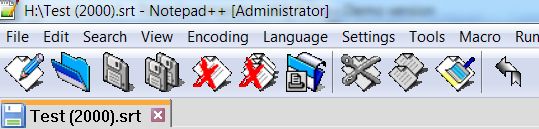
There are only a few icons here, where are the rest? -
Hi, @pan-jan,
I think that your toolbar’s icons are too big and hides the normal DSpellChek icon !
So, go to
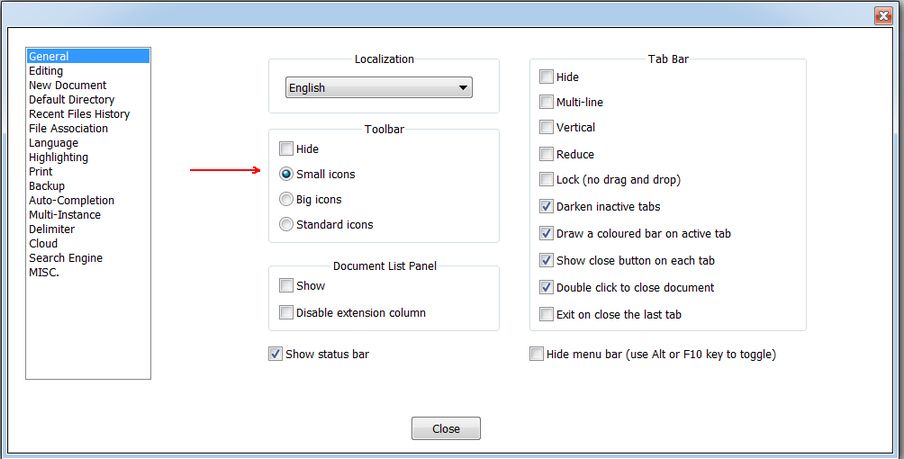
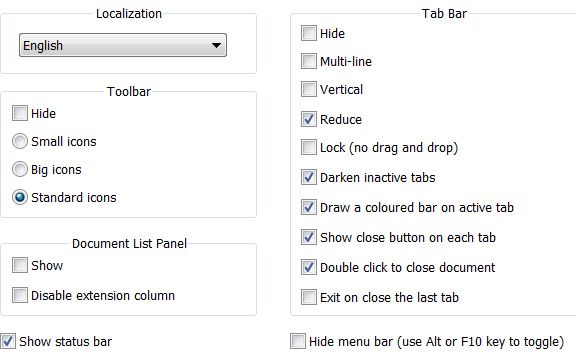
Settings > Preferences...> General > Toolbarand select theStandard iconschoice=> On the right of the toolbar, you shoul see the
DSpellCheckicon to toggle the spelling process !Best Regards,
guy038
-
@guy038
Now the icons are smaller and … nothing has changed
-
Hello @pan-jan,
Your standard icons are quite weird !
See mine on the picture below and the
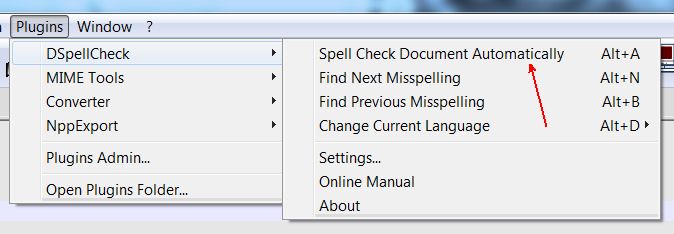
DSpellCheckicon, on the right, with the ABC indication !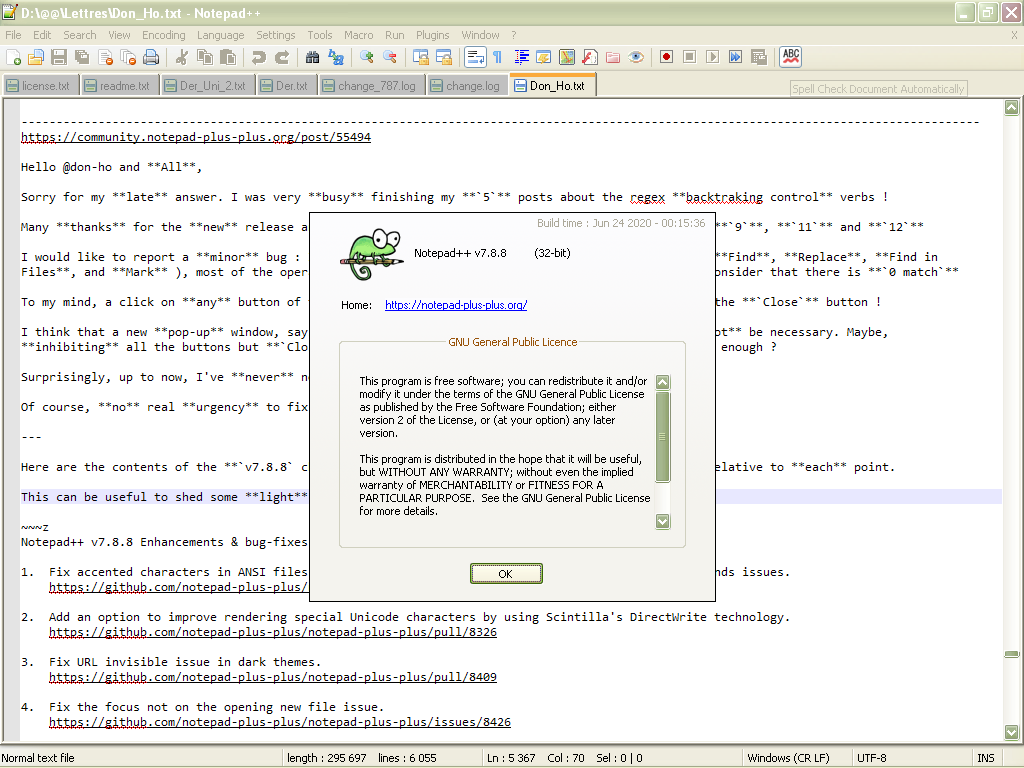
You do not even need the Customize Toolbar plugin :-)) You may also create a shortcut to enable/disable spelling :
-
Go to
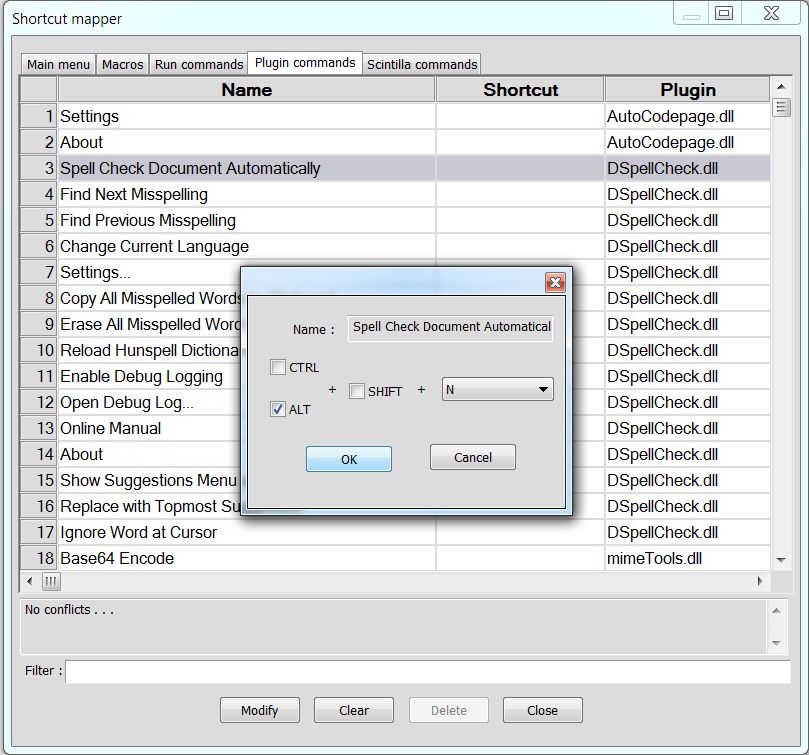
Settings > Shortcut Mapper... > Plugins -
Double-click on line
Spell Check Document Automaticallyand choose your shortcut
BR
guy038
-
-
-
Next the same icons
-
Hi, @pan-jan,
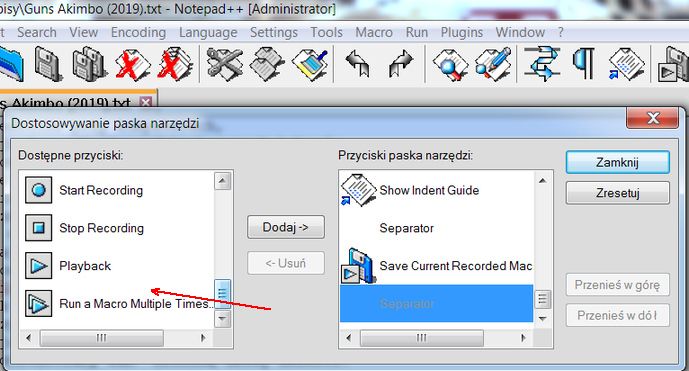
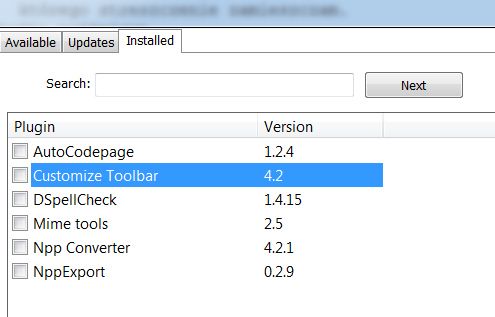
As you installed the Customize Toolbar plugin, I suppose that some icons are absent, by default. You’ll have to add some of them to your current toolbar !
Now, in
Settings > Preferences...> General > Toolbar, under the box **Hide**, there3possibilities :-
Small icons
-
Big icons
-
Standard icons
Did you really select the
Standard icons?BR
guy038
-
-
-
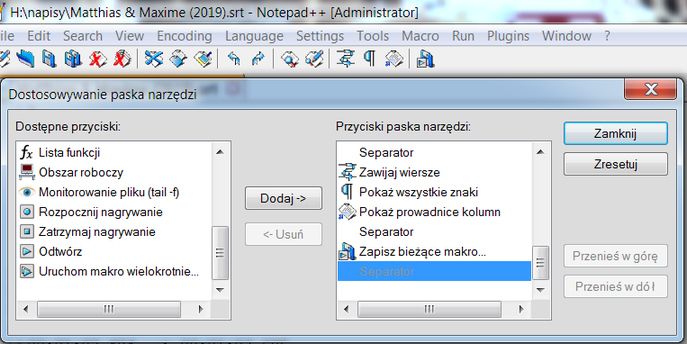
These are the icons I can choose from
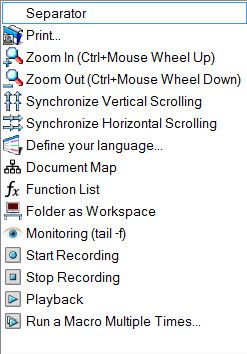
-
Could you do a test, selecting the choice
Standard icons?Then stop and restart Notepad++ => You should see all the plugin’s icons on the right of the toolbar !
BR
guy038
-
@guy038
This is it.
I have them all now.
Thank you very much. -
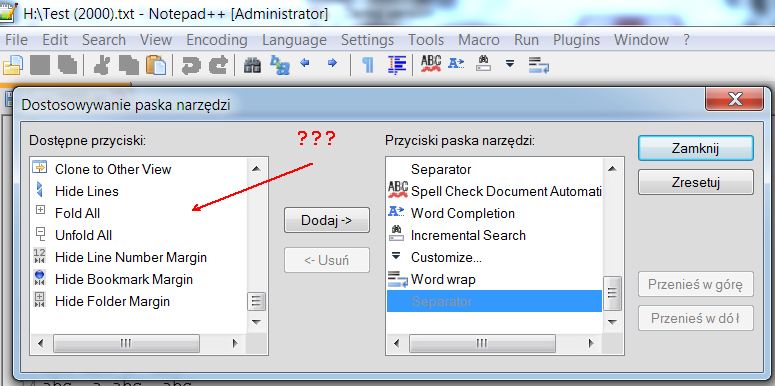
I would like to insert into the Toolbar an icon with …
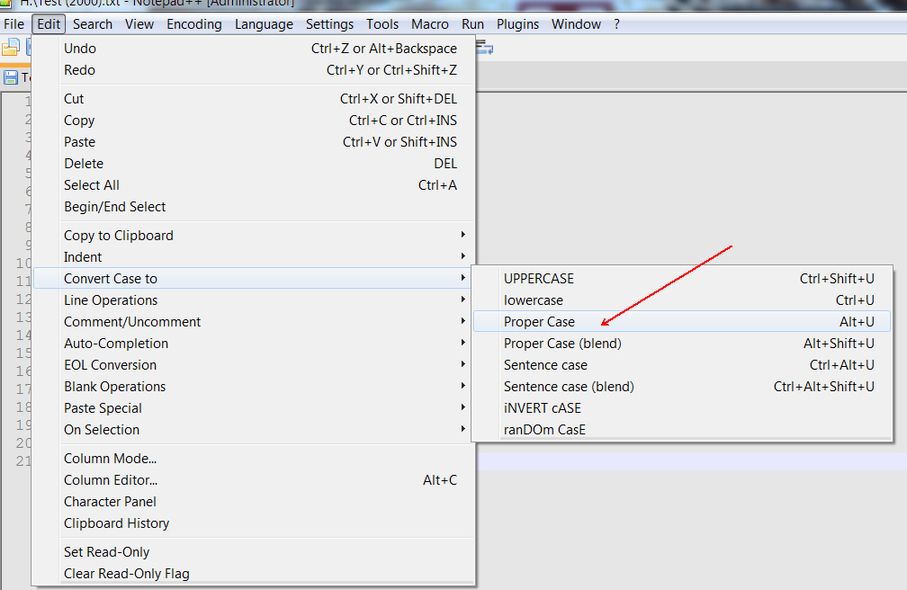
How to add icon to this bar …
if she’s not here.
-
Hello @pan-jan and All,
I just installed the last Unicode
4.2.0.0 - x32version of theCustomize Toolbarplugin in N++v7.8.8from here :https://sourceforge.net/projects/npp-customize/files/Customize Toolbar v4.2/
And, in the
Customize Toolbarmenu, I see two lines :- Help - Overview :
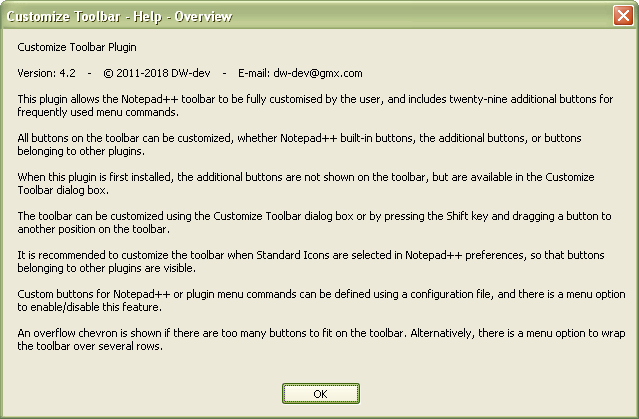
- Help - Custom buttons :
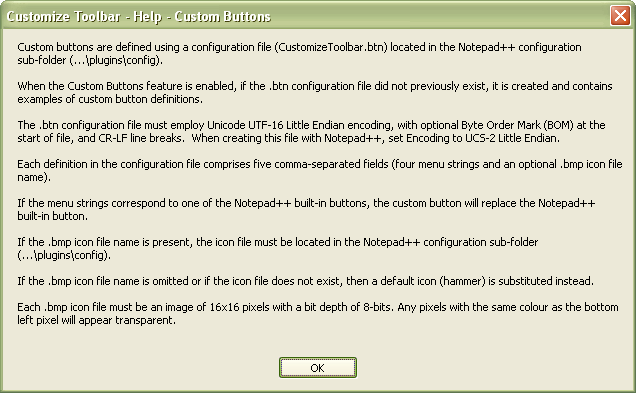
Sorry, I do not have time, presently, to investigate further on, in this matter. However, if this help is not enough for you, you could ask the plugin’s author, by e-mail, for additional information !
Best Regards,
guy038
-
Available buttons: Proper Case „Alt+U”… none
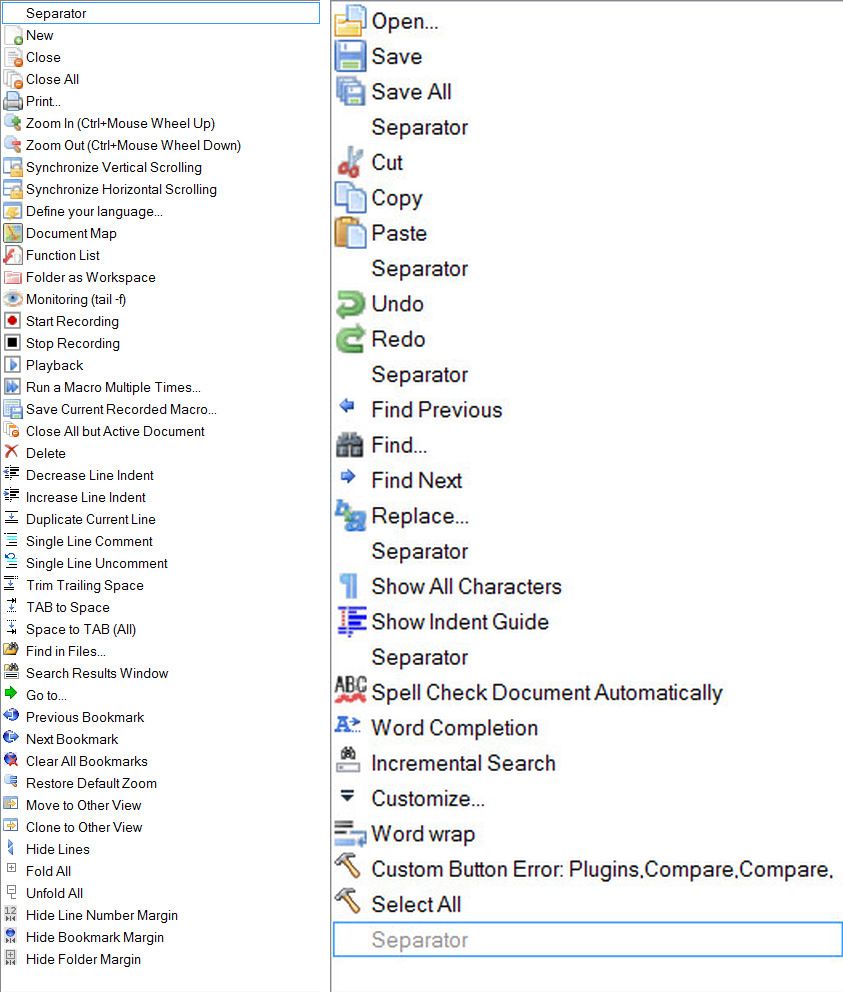
-
No entry:
-
Hi, @pan-jan and All,
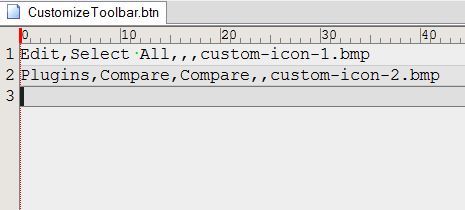
- Change the contents of the
CustomizeToolbar.btnas below :
Edit,Select All,,,custom-icon-1.bmp Edit,Convert Case to,Proper Case,,custom-icon-2.bmp-
Save the modifications of
CustomizeToolbar.btn -
Stop and restart N++
-
As you can see, the first default hammer icon is colorized and works (
Select All) -
However the second hammer icon remains grayed and does not seem to work :-((
After some tests, I realized that this second hammer becomes active ONLY IF you select a tab with a normal selection in its contents. In this case, hitting the second hammer icon does apply the
Proper Casefeature to the selection !Indeed, if you select
Edit > Convert Case to, you can see that the sub-menu is all grayed, if no selection has been done, previously !So, refer to the plugin’s author for possible fixes. May be this wrong behavior depends on of Notepad++, itself !
BTW, in the meanwhile, simply do your selection and use the default
Alt + Ushortcut ! Easier, isn’t it ?.Since decades, I don’t click, anymore, on the Toolbar buttons for
Ctrl + C,Ctrl + V,Ctrl + A,Ctrl + Z,Ctrl + Yand so on…, preferring the shortcuts !!!Best Regards,
guy038
- Change the contents of the
-
@guy038
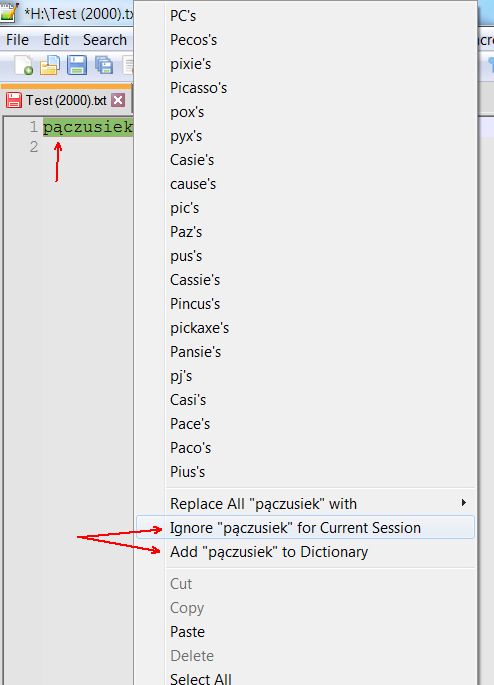
I can’t add the word with the letter “ą” to the dictionary or for Current Session
-
Hello, @pan-jan and All,
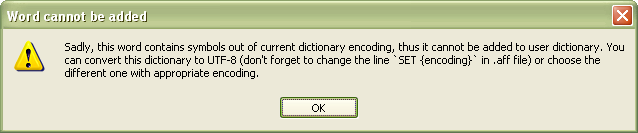
Sorry for my late answer ! Initially, I did not see a good explanation ! One day, I realized that, may be, your dictionary file was probably
ANSIencoded ! I verified my assertion and, indeed, it’s the cause of your problem !So, here is the road map :
-
Go to the folder
...\plugins\config\Hunspell -
Back-up your
lang.dicandlang.afffiles ( One never knows ! ) -
Start Notepad++
-
Disable, temporarily, the
DSpellCheckplugin -
Open the two files
lang.dicandlang.aff, from within N++ -
Change the first line of
lang.affwith the commandSET UTF-8 -
Verify, in the status bar, that its encoding is
UTF-8( notUTF-8-BOM! ) -
Save the modifications
-
Select the
lang.dictab ( Probably, this file isANSIencoded ) -
Run the command
Encoding > Convert to UTF-8( notconvert to UTF-8-BOM! ) -
After a little while, save the modifications of
lang.dic -
Now, close the two files
lang.dicandlang.afffiles -
Enable, again, the
DSpellCheckplugin
=> This time, if special words contain Unicode characters, with code-point over
\x{00FF}, you should be able to add to the dictionary , in thelang.usrfile
Anyway, the method is self-explained in the dialog, below, and I suppose that you’ve found out the solution, by now !
Best Regards
guy038
-
-
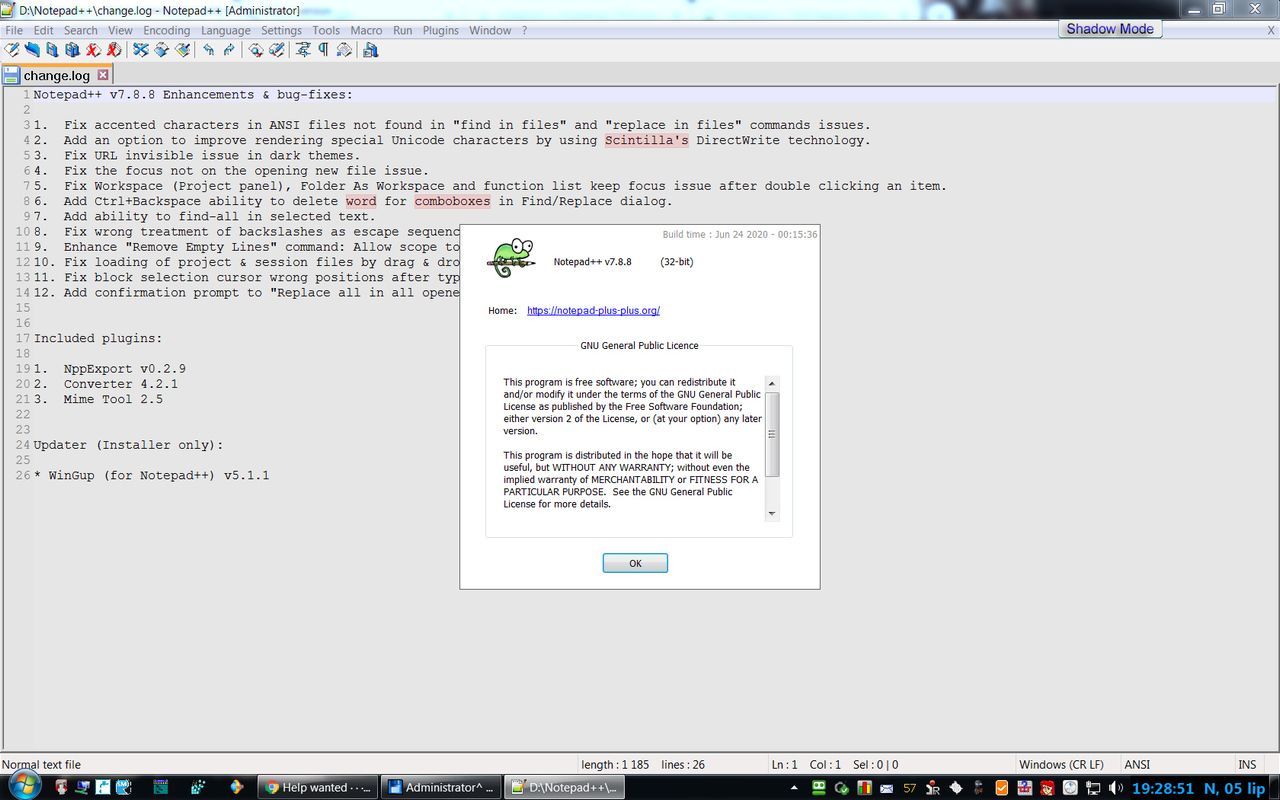
I don’t use Hunspell.
This is happening in Aspell.
These words are written in pl.pws.
pl.pws has ISO format. -


Hello! It looks like you're interested in this conversation, but you don't have an account yet.
Getting fed up of having to scroll through the same posts each visit? When you register for an account, you'll always come back to exactly where you were before, and choose to be notified of new replies (either via email, or push notification). You'll also be able to save bookmarks and upvote posts to show your appreciation to other community members.
With your input, this post could be even better 💗
Register Login